Huwebes, Setyembre 22, 2016

Omni-Channel Marketing: A New Approach to Keyword Research

For many marketers, performing keyword research is a pretty standard procedure. What has primarily changed over time are the tools used to source key search queries and determine the quality and intent behind those keywords.


While the approach to research remains largely the same, the landscape in which consumers search and move toward a purchase has changed. The path from search to purchase is no longer as linear as it once was and consumers generally don't follow clear paths anymore. Your approaches to keyword research and deployment of marketing content need to adjust for this omni-channel era.


In this article, I'll define what this new path looks like, how you can adjust your strategy to be more visible to your ideal customers, and how targeted keyword research and optimization can lead to a dramatic improvement in engagement and retention.


What is Omni-Channel?

onmi-channel-graphic
Customers are now engaging brands across multiple channels at the same time. (Image Source)


Up to this point, there have been a few different channel strategies for businesses, mainly offline businesses, but they're applicable to online retailers as well:


  1. Multi-Channel – This is a common channel strategy in which a business uses more than one form of media for advertising. For example: a car dealership may have a Facebook page and also send out direct mailers. Those are multiple media channels for outreach and engagement.

  2. Online to Offline – This channel strategy consists of online media outlets driving traffic specifically to an offline, brick and mortar business.

  3. Cross-Channel – This channel strategy involves an experience that starts in one channel and is then carried over into another. A few good examples of this would be locating a product in a print catalog and ordering it online, or searching for a restaurant online and clicking the phone number to call in an order that will be completed via carry-out.


So what about omni-channel? This strategy involves using multiple visible channels which support one another in a single merged experience with the customer or prospect. The lines between channels blur as the brand and the customer engage across multiple mediums.


For example: A customer pulls up your website to research an item while they're in your brick and mortar store. They search for other information online, which leads them to a blog post you wrote to address a specific pain point. A rep emails the customer some info on the product and they later order the product on your website or through your Facebook store integration.


It's important to understand the omni-channel approach because it has transformed the way customers shop nowadays. 75% of shoppers who find helpful information alongside local retail info are more likely to visit those businesses. Likewise, over 70% of smartphone users research while shopping to help them make more informed decisions.


Search Intent Across Multiple Channels


Search isn't the same creature it used to be. Today, search overlaps a variety of other channels as the results fill up with social media pages, local listings, videos, images, location-specific data, and more.


While many marketers take a blanket approach to keyword research, many of those channels have their own search variations. Marketers mistakenly think the research they apply to search optimization also applies to social media and other channels.


The truth is that the user's search experience varies greatly based on the platform and intent. Not only do you have behavioral differences across the channels (short queries on Twitter vs. multi-keyword queries on Facebook or YouTube), but there are also big differences in a standard search query vs. a conversational search in social media.

consumers-search-for-local-information
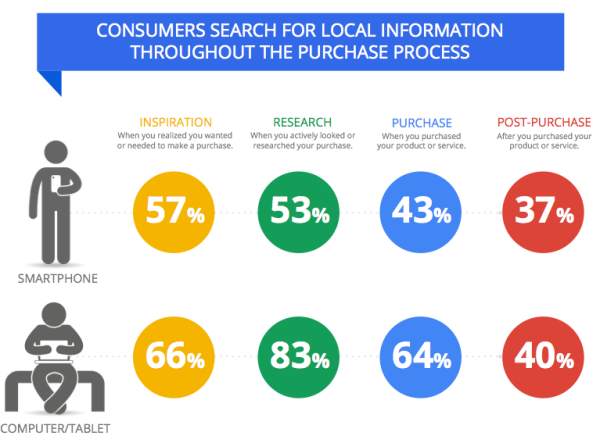
Search habits change throughout the purchasing process. (Image Source)


When researching keywords for the optimization of those individual channels, it's important to consider user intent for each channel, as well as the user's position in the buying cycle and whether or not they're searching for local information.


Keyword Research for Omni-Channel


When you're conducting keyword research for organic search and content optimization, you're typically trying to determine the search volume and relevancy of keywords. For paid advertising, you'll also want to gauge how competitive a term is.


Conducting keyword research for social and other channels as part of an omni-channel strategy is a bit more involved. When I perform research for omni-channel efforts, I have a lot of points to look at including:


  • Popular and trending topics across various social channels

  • Search and query frequency on a given channel

  • The market interest for products and services

  • The demand for specific search queries or conversational searches

  • User intent; the “why” behind their searches

  • Specific points of engagement around important keywords


Here's how you can perform this research on a few popular social channels:


Facebook Keyword Research

facebook-roasted-coffee-keyword-research
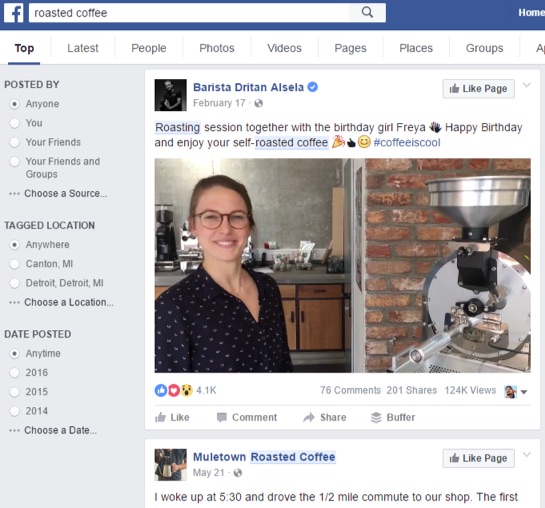
Use Facebook's search function to research key phrases for your audience.


Consumers often turn to social channels like Facebook to see what other people are saying about a product, topic, trend, or brand. Keyword research on Facebook can provide a lot of insight when you're mapping out your optimization and marketing strategy:


  • The frequency of public topics around a keyword

  • What kind of content is most-often shared and discussed

  • How discussions change based on location

  • How well the results align with the search intent

  • Trending topics and hashtags

  • Other keyword trends to expand your research


From an omni-channel perspective, think about how your potential customers might be using Facebook to find information about your brand and your products or services. Build your keyword list and start researching with the Facebook search function.


This will help you refine and locate more keywords, and from there, you can optimize your profile and plan the use of specific keywords within targeted public posts and content shares.


Twitter Keyword Research

twitter-advanced-search-screenshot-september-2016
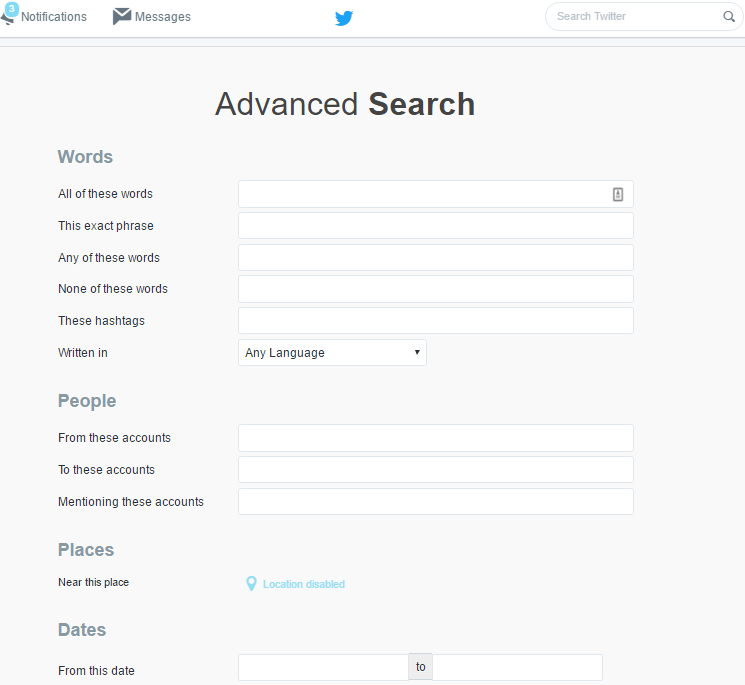
Twitter's advanced search can show you the keywords your audience is using most frequently.


Keyword research on Twitter is similar to Facebook. I recommend using the Advanced Search feature.


This gives you more opportunities to narrow your targeting by date, location, and broad or exact match phrasing. The goal on Twitter is the same as on Facebook: you're looking for topic and keyword frequency, post and discussion intent, trending and relevant hashtags, and any opportunities to expand keywords.


Considering the brevity of Twitter posts, you're less likely to see long tail search phrases being used. Instead, your audience is more likely to use shorter, topical words to find discussions, brand names, and product names.


Like Facebook, this presents the opportunity to take the most relevant keywords you discover and work them into your posting strategy in order to get relevant content in front of the consumer.


YouTube Keyword Research
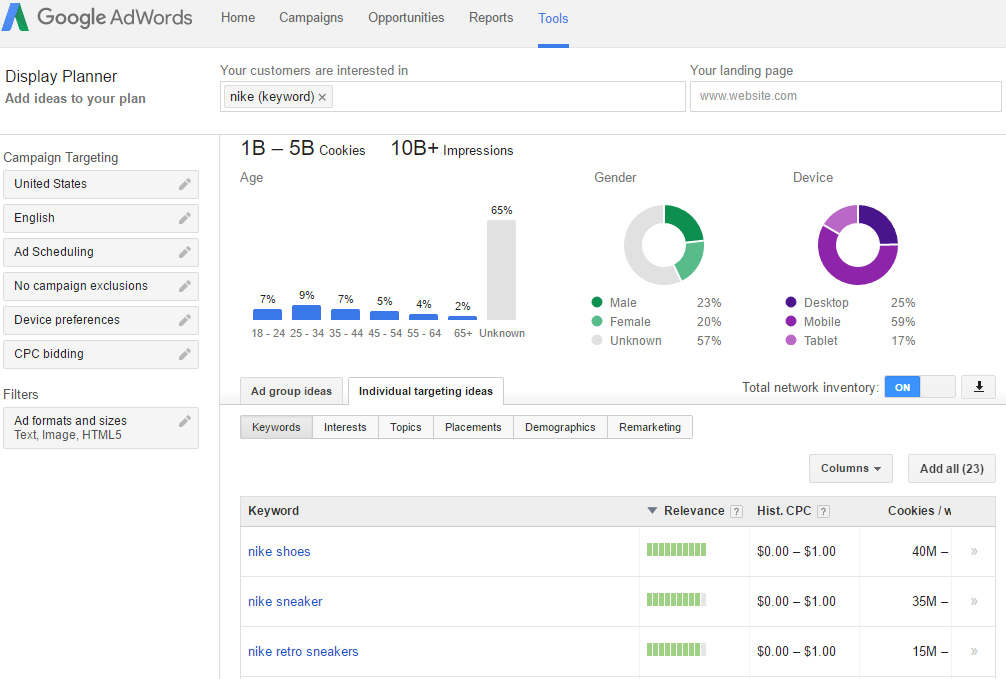

google-adwords-display-planner
Combine YouTube searches with the Display Planner tool to research popular search queries.


YouTube used to have its own keyword tool, but that was shuttered in 2015 as Google favored the use of Adwords Display Planner. This makes keyword research a little more complex for YouTube than other social channels, but it also provides a lot more data. If you use the AdWords Planner for any other type of keyword research, then you should be familiar with the process.


Log in to Google AdWords and select the Display Planner under “Tools.” From there, you can enter any search phrases you think your customers would be interested in and AdWords will display individual targeting ideas along with impressions and some basic demographics.


Enter the keywords you develop into YouTube's search and examine the types of content that show up in the top results. You'll be able to piece together opportunities to create new content for those search phrases as well as optimize any existing videos you have to improve their visibility with the new search phrases.


Just remember to make sure that you're always matching the search intent of the user.


Omni-Channel Marketing Thrives on Content
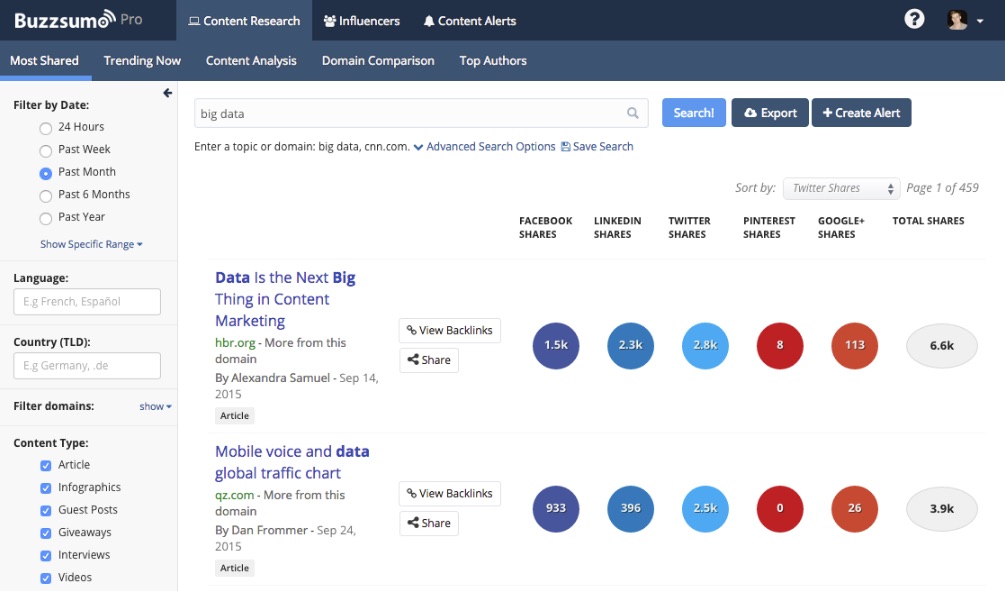

buzzsumo-pro-content-research
BuzzSumo uncovers the most engaging content around a keyword or topic.


Omni-channel marketing doesn't target customers who are set on a purchase and are ready to place their order or head into the store. This kind of keyword research and optimization is meant to attract and educate the customers who are actively engaging you through multiple channels and researching information to help them make a purchase decision.


For that reason, I always try to produce and position content that is most beneficial and relevant to the keywords I discovered during the research phase.


To ensure that I'm consistently providing the best content, one tool I like to use is BuzzSumo. While the research process is predominantly manual for digging into topics and discussions on social, BuzzSumo automates things as you search for content.


Plug in your keywords or relevant search queries, and BuzzSumo will display content to match – specifically the content that has received the most shares and engagement. You can use those results to craft your own content or curate those posts and share them publicly using targeted keywords across various channels.


This way, no matter where your prospective customers are in the sales funnel – either online or in your store – they'll find your content and your high-value content shares, regardless of the channel in which they search.


Conclusion


Focused keyword research across multiple channels allows you to leverage public content to keep it in front of your audience, increasing the likelihood that they'll find you when they research purchasing options.


More importantly, optimizing your content with keywords across multiple channels will capture the attention of the user. If a prospective customer finds your content through means other than search, then the relevant keywords will stand out and encourage them to start engaging you through multiple channels as they enter your funnel.


Keyword research isn't just for organic search anymore. Use this information to improve your omni-channel visibility, attract new customers, and keep your current prospects engaged through to the conversion.


What's your take on omni-channel marketing and the optimization of social channels? Share your thoughts with me in the comments below.


About the Author: Aaron Agius is an experienced search, content and social marketer. He has worked with some of the world's largest and most recognized brands to build their online presence. See more from Aaron at Louder Online, their Blog, Facebook, Twitter, Google+ and LinkedIn.


Miyerkules, Setyembre 21, 2016

How to Persuade SaaS Customers When They Hate All Your Pricing Options

Your pricing options suck.


At least that's what some of your consumers think.


They like your products. But the pricing packages aren't meeting their expectations.


Customers may enjoy one feature, but it isn't included in a specific package. Or maybe they admire the pricing but prefer different benefits.


“Pricing is a moving target and found should view it as an ongoing product discovery process. Pricing should be re-evaluated regularly,” says Tomasz Tunguz, a venture capitalist at Redpoint Ventures.


So, what do you do when customers like your product but not your pricing? Check out the four strategies below.


1. Determine Your Most Valuable Benefits


Experts believe “30% of the thousands of pricing decisions companies make every year fail to deliver the best price.” Business managers don't always match the right price to the right services.


What your team deems valuable isn't important. You want to know what buyers love about your products.


That's where data can help. Gather data to identify which benefits your customers enjoy the most.


Monitor customer feedback, product usage, and user behavior. Discover which benefits make your product worth buying.


Once you find the desired benefits, talk about them from the customer's perspective. Speak their language.


Peep Laja, the founder of ConversionXL, writes:


“Your value proposition needs to be in the language of the customer. It should join the conversation that is already going on in the customer's mind. In order to do that you need to know the language your customers use to describe your offering and how they benefit from it.”


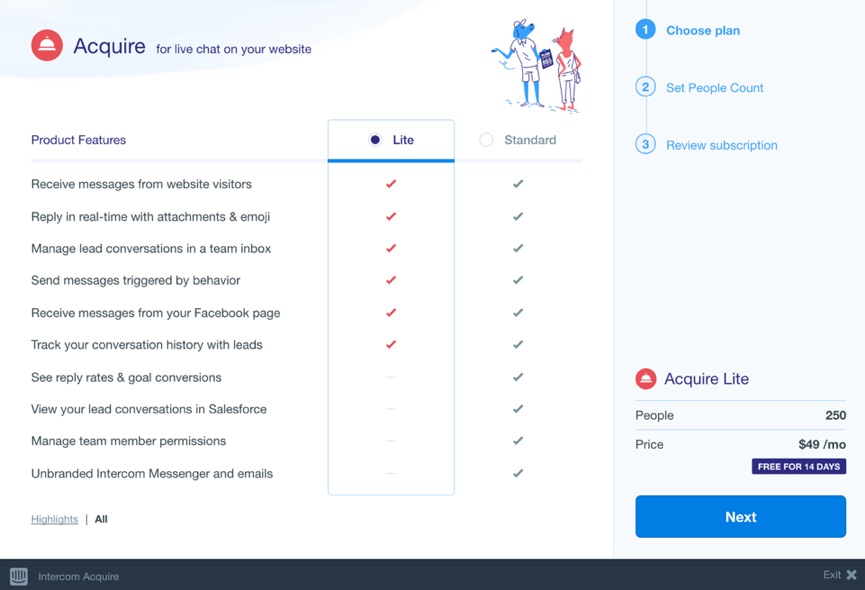
Here's an example from Intercom. The team highlights product features in simple, short sentences. It communicates what the platform can do and how it's beneficial to the customer.


intercom-acquire-pricing-page


Sell consumers on what they like most. Continue to emphasize your SaaS product solutions.


2. Educate Consumers About Undesirable Features


Research shows that “75% of B2B buyers rely more on content to research and make B2B purchasing decisions.”


Content gives your consumers the opportunity to learn about your products. And the information can be easily shared with a team of decision-makers.


Brigg Patten, a business and tech writer, says, “Educating your customer is a vital part of the sales process for any business, and is important in relationship building. Customers have more confidence that your solution is the best for their particular needs when you take the time to ensure they are well-educated.”


Therefore, when customers dislike certain pricing options due to product features, it's time to educate them about the possibilities.


Show consumers how particular features can benefit their businesses. Give them real-life examples that their team can relate to.


For instance, if your SaaS sells subscription billing software, demonstrate why multiple payment methods matter. Produce content showing how their customers want options to pay by credit card, ACH, and PayPal.


When educating your customers, decide how you will convey the message. The medium is just as important as the message itself.


Collect data on which method your consumers prefer. You can send a simple email survey asking for their preferences.


Content formats range from eBooks to webinars to blog posts. Select the one that works for a majority of your users. Your team also may consider doing more than one option.


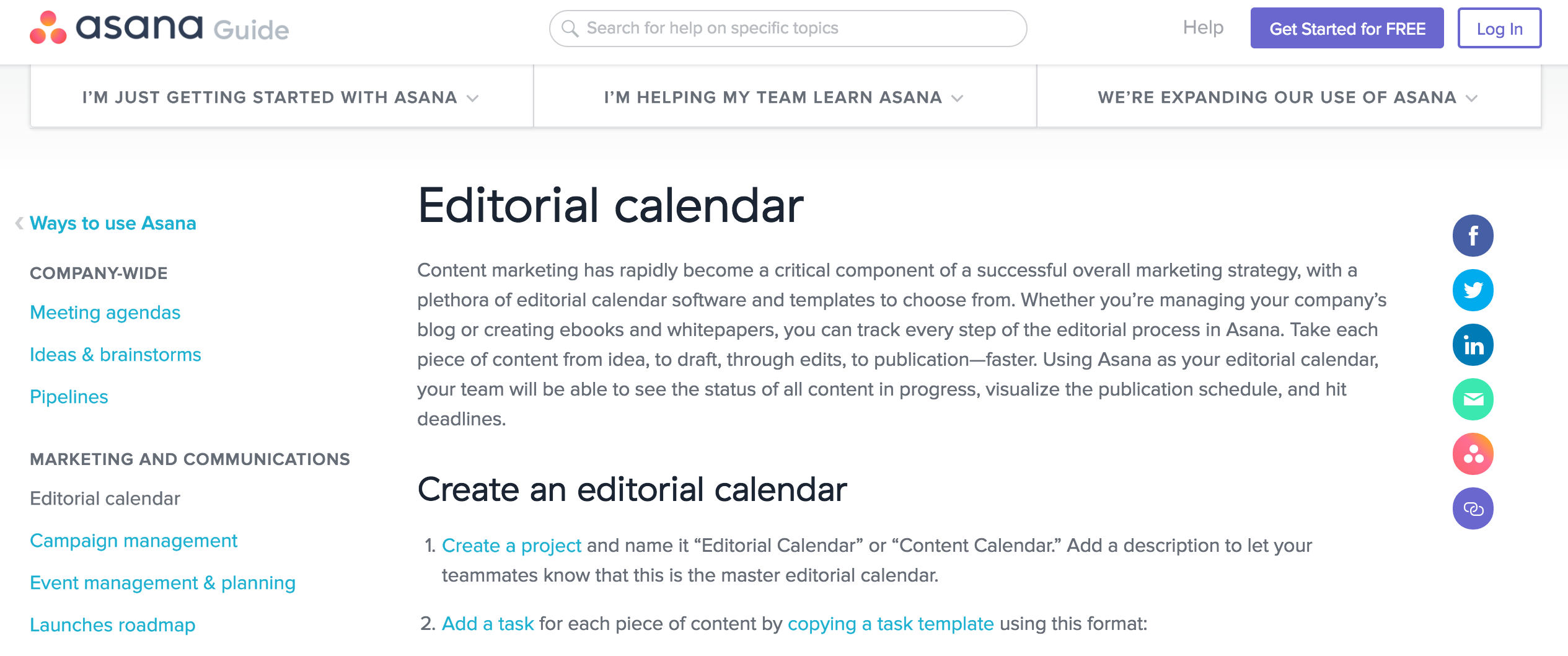
Below is an example from Asana. Did you know you could create editorial calendars on the platform? The team shows you how through on-demand guides.


asana-editorial-calendar


Some customers don't dislike your features. They just don't see the benefits. Educate your consumers.


3. Seriously Go Above & Beyond Expectations


Humans love routine. Some drink coffee at the same time each day. Sit at the same desk. And even watch the same TV shows every week.


It becomes a habit. Those patterns mold us to not expect anything new. It's not that we don't want to experience something different. We just don't look for it.


To shake your customers out of the SaaS buying routine, go beyond their expectations. Give customers something extra for choosing a specific pricing option.


“People like bonuses. They help build positive emotions around your brand. They make customers feel happy and appreciated. As a result, the customers will strongly connect these positive emotions to your brand and the chances are you won't be forgotten,” writes Damian Winkowski, former new business developer at PayLane.


For instance, if all your competitors are offering extra storage space for new customers, then provide your buyers with extra storage space and one-month of unlimited access to a customer success manager.


It's all about doing things differently to grab your audience's attention. Customers aren't excited by the same-old sales tactics. They desire a little extra in order for you to secure their business.


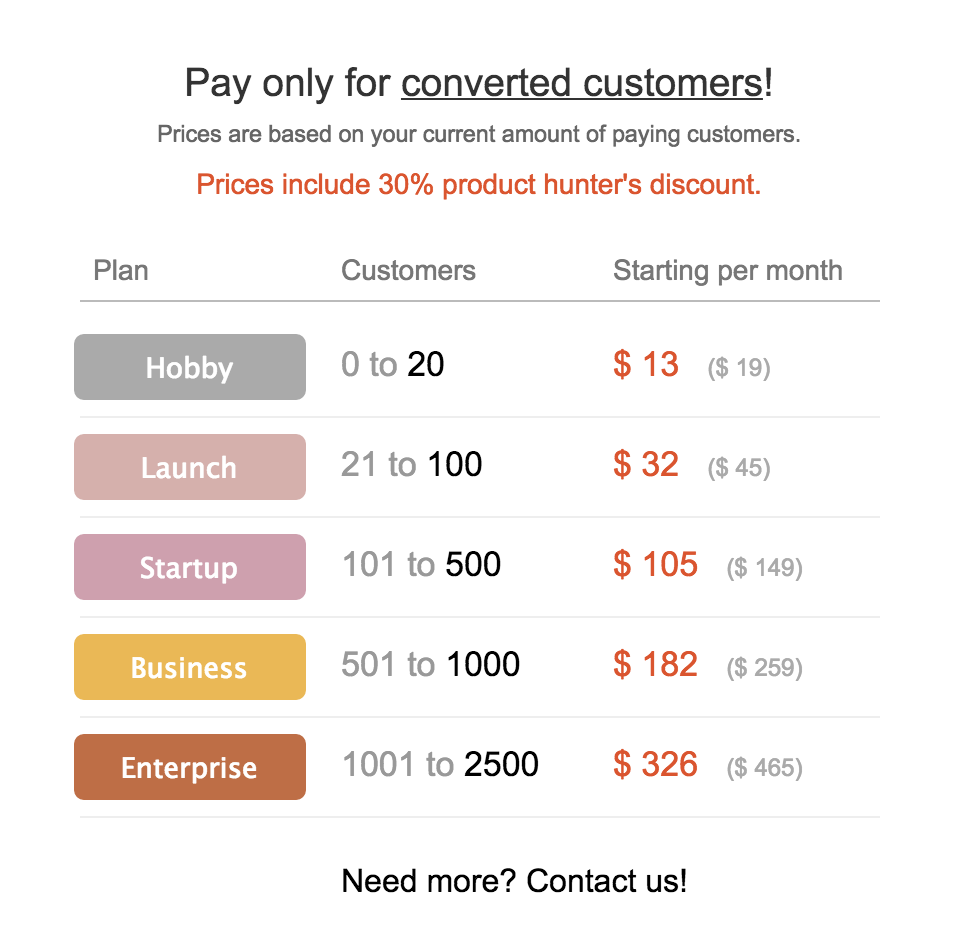
SignupLab, a sales CRM and customer success dashboard, rewards people who found them on Product Hunt. They offer interested buyers a 30% discount on their first subscription period.


So, if any consumers really liked their product but hated the pricing options, this discount may convince them to at least give SignupLab a chance.


signup-lab-pay-for-converted-customers


Add a bonus benefit to your pricing packages. It will give your consumers another reason to choose you over the competition.


4. Emphasize Value With Social Proof


Psychology plays an integral role in sales.


Analysts have found that people buy based on emotions. Consumers purchase because their sad, happy, or even upset.


Moreover, purchases may involve not only internal perceptions but also external pressures. This means we buy items due to our environment.


This is helpful information for your sales team. You can show customers how other clients are benefitting from particular pricing packages.


Social proof makes pricing options irrelevant for some buyers. Because if they see top brands using your services, consumers will feel the need to be part of the pack no matter the circumstances.


So, offer social proof to your customers. Let them hear stories from your most successful clients.


“We tend to imagine ourselves in other people's shoes when we read or hear a story. This is why stories are so persuasive and often more trustworthy than statistics or general trends. Individual examples stick with us because we can relate to them,” states Ed Hallen, co-founder of Klaviyo.


To build trust, SumoMe includes their client logos on its pricing page. These images solidify that many satisfied customers look beyond pricing packages.


sumome-social-proof


Studies also reveal that “70% of consumers say they look at product reviews before making a purchase.” Plus, product reviews are 12x more trusted than product descriptions.


Solicit honest feedback from your customers. And then post those comments on your website. Those reviews will persuade prospective buyers and display your brand's transparency.


Consumers aren't completely pleased with your pricing options. Use social proof to convert them.


Upgrade Your Pricing Options


Customers want your product. But your pricing options aren't meeting their expectations.


Offer the most valuable benefits in your product packages. Educate customers about features they don't initially like. And boost your product's worth by adding verifiable social proof.


Persuade your customers. Upgrade your pricing options.


About the Author: Shayla Price lives at the intersection of digital marketing, technology and social responsibility. Connect with her on Twitter @shaylaprice.


Fancy a luxury London apartment? Wait until next year

A leading real estate agency says prime London property prices will fall by 9% by the end of this year and stay flat in 2017.

Martes, Setyembre 20, 2016

The Little-Known Segmentation Issue that's Directly Affecting Your Brand's Relevance

For marketers, the quest for branding that matters to consumers has always been about how to achieve deeper relevance. The more relevant a brand is in a customer's life, the more they'll begin to look for ways to integrate it into their lifestyle.


Of course, many point to segmentation as the easiest and fastest way to achieve that kind of relevance.


But what if you could go even further?


According to a cross-site study by Optimove, going beyond simple segmentation – down to pure granularity, causes a distinctive and measurable campaign uplift. Optimove measured this by presenting different offers to smaller groups of consumers who had similar attributes. They found by going more and more granular, they were able to generate greater and greater lift within their respective campaigns.


Luck's Got Nothing to Do With It


lucky-fish


LuckyFish, a developer of casino games powered by social networking, created over 100 player personas as part of their relevance campaign


In one such campaign for a set of casino games built on the power of social networking, they were able to segment to over 100 individual player personas. Imagine having that kind of deep detail about your customers or players. As a result, they were able to send the right messages to the right players at the right time, through the customers' preferred channels.


So what were the results? A 65% increase in conversion rates, a 15% increase in the number of paying players and a 40% increase in the volume of player payments to name a few. As part of the larger study, they looked at this kind of granularity with over 30 million customers across 2,000 campaigns – measuring the uplift of the average campaign in groups of all sizes.


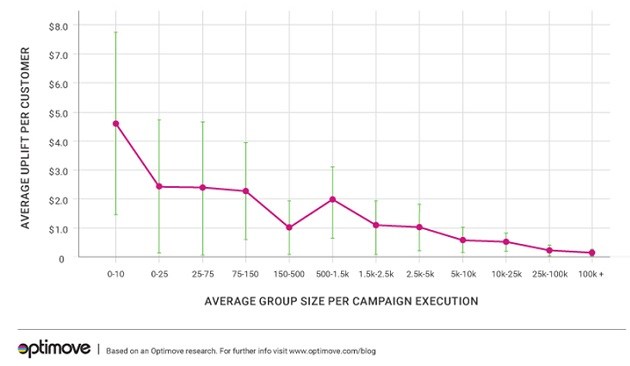
group-sizeThe smaller the segment, the higher the value per customer


The results speak for themselves. The smaller the group, the higher the lift. In this case, the smallest-sized group saw an average increase of $3.2 per customer. When you start sending segmented campaigns to targeted groups of 100,000 customer or more, the monetary uplift drops to a measly $0.1.


Many Small Campaigns Perform Better than One Concentrated One


Another note of the study is that, overall, many small campaigns targeted to a group of customers has a much greater effect on revenues than the all-too-common strategy of throwing an ad at the wall and hoping some of it sticks.


segmentation-rowthHyper-focused segmentation yields even greater results


Now the question then becomes, “why don't more campaigns do this?” and that's because there's some risk involved. As with every strategy, there are exceptions to the rules and things to watch out for – namely, volatility.


Because these groups are so small and hyper-focused, there can be a lot of different outcomes for one message no matter what you're testing. You can account for much of these differences by chalking it up to a small sample size. The revenues and customer relationship building obtained as a result are far too lucrative to not test granularity in your own campaigns.


How Do You Like Your Coffee?


cup-of-coffee-beans
What customers say they want, and what they really want, are two completely different things


In his famous TED talk on the powers of segmentation, Choice, Happiness and Spaghetti Sauce, Malcolm Gladwell talks about the customer preference of coffee. If you asked most people what kind of coffee they like, they'll tell you “a dark, rich, hearty roast”. But if you give them that type of coffee, they'd likely rate it as a 60 on a scale from 0-100.


Now, break down that population into their precise coffee preferences and make coffee for them according to their actual tastes – the score would go up to 78/100. Gladwell notes, “the difference between coffee at 60 and coffee at 78 is the difference between coffee that makes you wince and coffee that makes you deliriously happy.”


Is the end result here implying that we shouldn't trust our customers? Not at all! But it does mean that we shouldn't hesitate to find out what they really want from our product – and not just rely on what we think they want.


Getting Started with Granular Segmentation


So now that you know the potential of granular segmentation, how do you do it?


The first step is to look at your existing campaign channels – are you running PPC ads? Doing social media marketing?  Blog posts? Landing pages? All of the above? Good. Make a note of where your best traffic is coming from right now - and even if it's all of those places, that's perfectly fine.


Next, imagine your prospect has just saw your campaign ad. Map out all the possible ways your prospects can interact with it. For instance, they could:


  • View

  • Click

  • Share

  • Call

  • Add to Favorites/Bookmarks

  • Link

  • Download

  • Comment

  • Buy

  • Rate

  • Review


Now, sort these according to the type of campaign channel. For example, people using social media are more likely to share, view and click, while people on a landing page are more likely to download, click, add to favorites, or even call for more information.


Once you're sorted, it's time to organize these labels so that your analytics (and the people behind them) can make sense of it all. UTM identifiers are great for this purpose. Here's how to set those up in Kissmetrics.  You can use event tracking to see who clicked on buttons on your landing pages or social media campaigns, for instance.  Some of these steps, like calling or adding to bookmarks, need to be handled manually (some stats programs will tell you if someone accessed your page via a bookmark), but the goal here is to see who's interacting with your pages and how.


If you want to segment your ad campaign, you can build custom audiences in Google Adwords in a few simple steps, including segmenting them by conversions, transactions, time of day, device used and more. Although these are all technical “granularizations” and the ones I mentioned above are more qualitative, having this kind of precision in defining and better understanding your audience is vital to giving them what they truly want, and making them deliriously happy.


Getting to Deliriously Happy


Our goal as marketers is to get customers on the deliriously happy end of the spectrum. Granularity may seem like an awful lot of segmentation just to reach a handful of people. But being able to chunk the process down again and again means you're reaching those people with the kind of relevance that broader campaigns simply can't match – and that's where you'll come out ahead. If you've ever hoped a customer might think “it's like they KNOW me!” – granular segmentation is your answer.


Remember that by segmenting campaigns with this kind of laser-focused attention, you're not only increasing conversions but building relationships with your customers using the kind of personalization they crave. It's a win-win for everyone.


Now It's Your Turn


Do you micro-segment your customers and your offers to them? What have your results been like so far? Do you find that customers are more receptive to offers, or is it just too much effort for lackluster and volatile results? We want to know what you think, so share your thoughts in the comments below!


About the Author: Sherice Jacob helps business owners improve website design and increase conversion rates through compelling copywriting, user-friendly design and smart analytics analysis. Learn more at iElectrify.com and download your free web copy tune-up and conversion checklist today!


Lunes, Setyembre 19, 2016

The Lazy Marketer's Guide to Customer Acquisition

There are a billion emails sent every day by MailChimp alone.


There are over two million blog posts published each day.


Average page length has become a staggering ~2000 words, which based on average writing times, can easily take up to four hours (or half a workday) for a single post.


The sheer volume of marketing activities is rising to a nearly unsustainable point.


Not to mention, your calendar's already full. Strapped and spread thin.


Today, doing more just isn't possible.


But being better is.


Here's how a seemingly lazy approach to the demands of marketers everywhere can help you double down on quality to excel.


Start by Doing the Right Things, Not Doing Things Right


A few years ago, digital agency Seer put together an excellent research Guide to Pinterest.


Towards the bottom, after all the fun tips, tactics and hacks for marketers to use, comes the analytics section.


One of the striking things you'll see when staring at their work long enough (beyond those impossible-to-see images where you have to cross your eyes to make the foreground picture separate from the background) is a symbiotic relationship.


The more engagement (as in repins, clicks and likes) something gets, the more impressions (reach) it gets too.


This finding, while seemingly basic and obvious at first, appears on other social platforms as well.


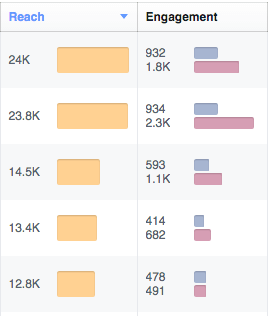
Analyzing your top performing content updates on Facebook for example will show the same correlation between the posts with highest Engagement, also have the highest Reach.


reach-engagement-facebook


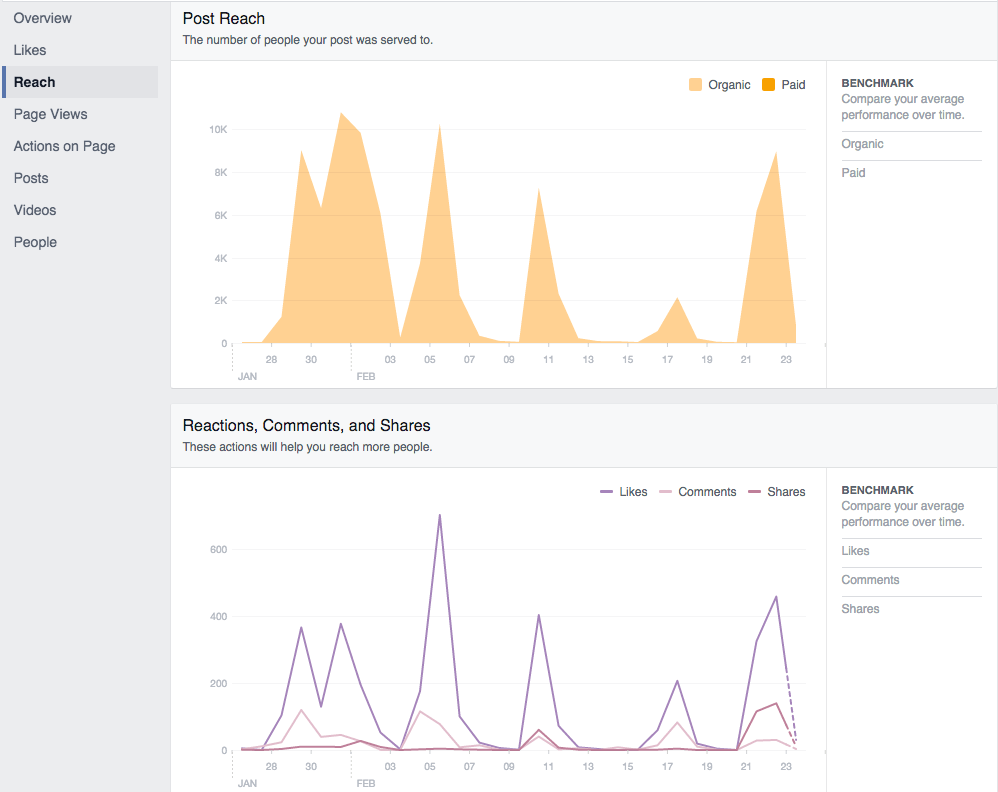
When you look at how these individual posts stack up over time, you'll again see that when Engagement (measured by Reactions, Comments and Shares) spikes, so does Reach.


facebook-analytics-reach


This is no accident of course. Social algorithms are specifically designed to reward engagement as a quality signal. More 'Likes' on your funny cat meme tells EdgeRank that other people are enjoying what you're doing, and more should be able to view it too.


Those individual interactions act similar to how quality backlinks act as votes for pages to rank higher in search engines too.


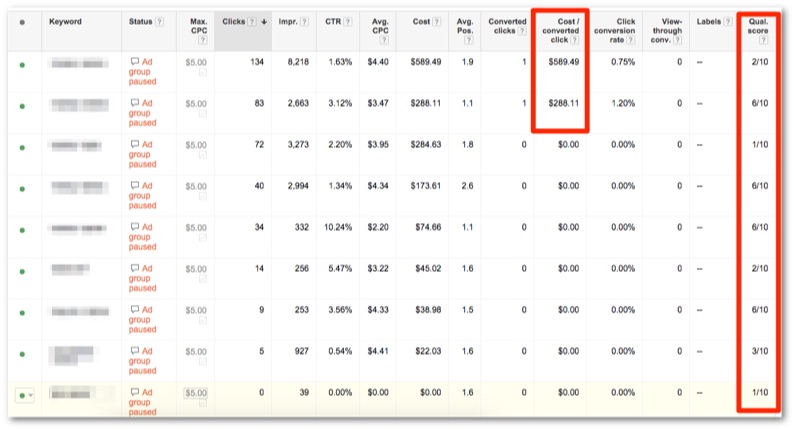
A literal Quality Score used in AdWords dictates what you effectively pay. Which means a higher Quality Score, enables lower CPCs. Which in turn should lower your Cost per Conversion. And raise your ROI.


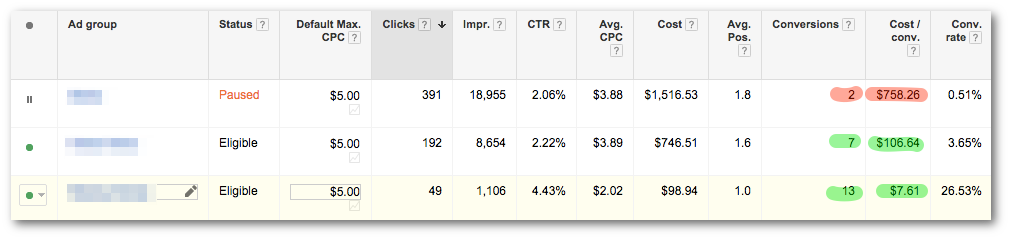
The principle of leverage is clearly seen in this example, where you can quickly (like in a few days) take popular keyphrases from one Ad Group with notoriously low quality scores…


adwords-cost-converted-click-quality-score


… spin them off into their own dedicated Ad Groups with brand spanking new ads and landing pages to match, and watch how the new results eclipse the previous ones.


adwords-ad-groups


This AdWords example (like the social ones before it) are similar because they all share something in common.


Specifically, an economic principle founded over a century ago.


In the late 1800s, an Italian economist was tending garden when a sudden realization occurred to him.


The yield from his peapods resembled other distribution ratios he was recently studying, including distribution of income and land in his home of Italy.


His Cours d'économie politique paper was published at the University of Lausanne in 1896, going on to inspire what would become known as the Pareto Principle.


The infamous 80/20 principle may have become skewed in recent years (to more like 99/1% in some cases), but the basic theory still holds.


And when applied to digital marketing, it's clear that certain activities can give you outsized returns.


Drucker said, “Efficiency is doing things right; effectiveness is doing the right things”.


That means prior to focusing on ways to improve efficiency and scale, start with making sure you're doing the activities (whether we're talking the type of social posts, quality backlinks, or AdWords fundamentals) that will provide leverage; generating the most significant returns with the least amount of effort.


Automate to Increase Results While Reducing Costs


86% of people flat out ignore banner ads on most websites.


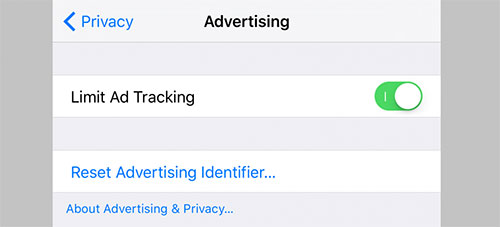
While the number of people using ad blockers (which eliminates all browser ads altogether) has skyrocketed in the last few years, shooting up to almost 200 million in the last year.


Some companies, like Apple, are trying to bake ad-blocking features into their software from the get-go to help consumers deal with the onslaught of clutter.


limit-ad-tracking-ios
Image Source


But why?


Why are so many intent on not just turning a blind eye, but going out of their way to make sure they never see another ad?


We could sit here and throw around some statistics about how consumers have never seen more ads in their lifetime than today. And they'd all be true.


But here's the other reason.


It's because these ads suck.


Not technically. The creative might be great. They ticked all the boxes. They're hitting all the popular ad networks. They're following the checklist of good ad campaigns over the last few years (or longer).


The problem is that in many cases, these ads are completely irrelevant to the people seeing them.


In other words, they're being efficient but not effective. And unsurprisingly, these ads inevitably fall on deaf ears.


Again, the solution isn't more ads, but better ones. Through personalization and automation.


Using automated ad platforms that personalize each message not only shaves off some time typically required for creating so many different creative campaigns, but also boost results over the standard junk people are clamoring to avoid.


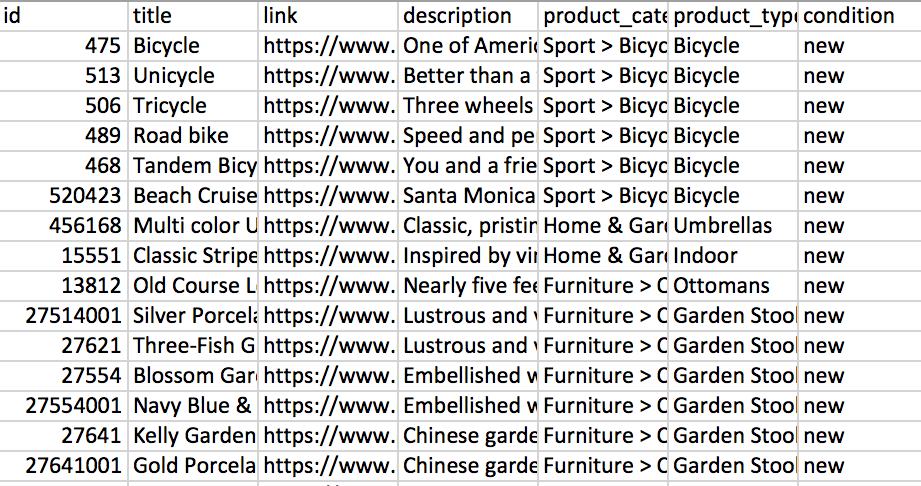
A perfect, simple example includes Facebook Dynamic Product ads, which works similarly to other popular retargeting or remarketing methods. They target people on their network who recently viewed individual products on your site, with well-timed ads being pulled from a database or product catalog.


Image Source


It's seamless, targeted, and timed to perfection. And the results speak for themselves.


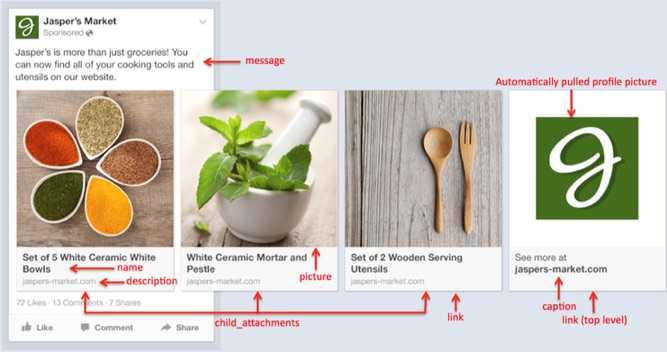
The party line straight from Facebook boasts that The Honest Company saw a “34% increase in click through rates and a 38% reduction in cost per purchase” from these ads.


facebook-sponsored-ad-structure
Image Source


Beyond ads, email is another popular channel whose performance continues to decline.


The reason should be obvious now. Too. Many. Damn. Emails.


MailChimp by themselves sends a billion every single day. Which isn't necessarily the hard part according to an excellent Wired piece. The hard part is making sure those emails get delivered successfully.


Email service providers like Gmail have begun using sophisticated methods such as machine learning to either redirect your basic email blasts to a separate Promotions inbox (where they go to die a lonely unread death), or quickly flag them as spam (and again, don't allow them to get through to the people you've intended to receive them).


More emails only compounds this problem. Again you need better ones. Specifically the kind only available through automation.


The Aberdeen Group reports that personalized emails improve click through rates 14% and conversion rates 10%. Jupiter Research says more relevant emails results in 18x more revenue.


Not to mention, Gartner says companies using marketing automation can also see a 15% cost savings on creative production.


These, it seems, are good stats. By fairly reputable sources evidently.


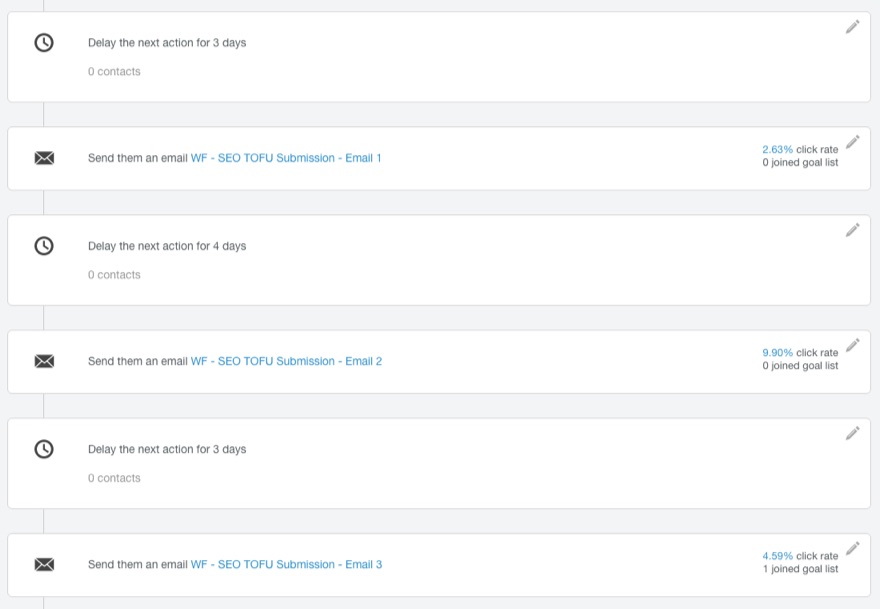
Automating key events, whether that's customer onboarding or client follow up or checkout cart abandonment, is a simple way to get more done with less.


The automated relevancy and timing increases results. While the use of automation helps cut down on required staff or complicated manual methods that barely scratch the surface of potential tools like HubSpot might deliver.


email campaign cadence


Strategically Add Labor to a Well Oiled Machine


There's a lot of debate around the performance yield of A players vs. B players.


The exact definitions are muddied but the picture is clear: most organizations can't carry deadweight (no matter which letter grade we're talking).


Good people, while absolutely necessary and critical to the success of any organization, are (a) hard to come by and (b) expensive.


Beyond the difficulties in hiring them, their compensation (deservedly so) typically follows that same 80/20 (or 99/1) relationship examined earlier.


What exactly makes A players, A players, is tough to define. But they're essentially alchemists; possessing this rare combination of incredible vision, creative ingenuity and the raw intensity to get a lot of valuable shit done when there's no map or rulebook to follow.


They blaze their own trail and figure things out on the fly that usually turn out correct.


The ambition is to have a team full of these A players. The reality is that yours probably won't.


And that's OK.


The key is to find people who can potentially become A players one day, and help them get there by giving them a clear process to follow.


Franchising sounds like entrepreneurial purgatory for most. However formal processes result in more revenue and innovative companies are still systematic.


So after toiling away for long enough, E-mything your business to work the system is the best approach to create a business built to sell.


Because typically hiring young, relatively inexperienced, or overseas people is the antithesis of quality. The reason this approach typically fails is because they're thrown in the deep end, expected to figure things out when they lack the context of experience.


For example, many companies hire external writers to help share the workload. But problems quickly happen when you expect them to immediately understand your style, tone, and subject matter.


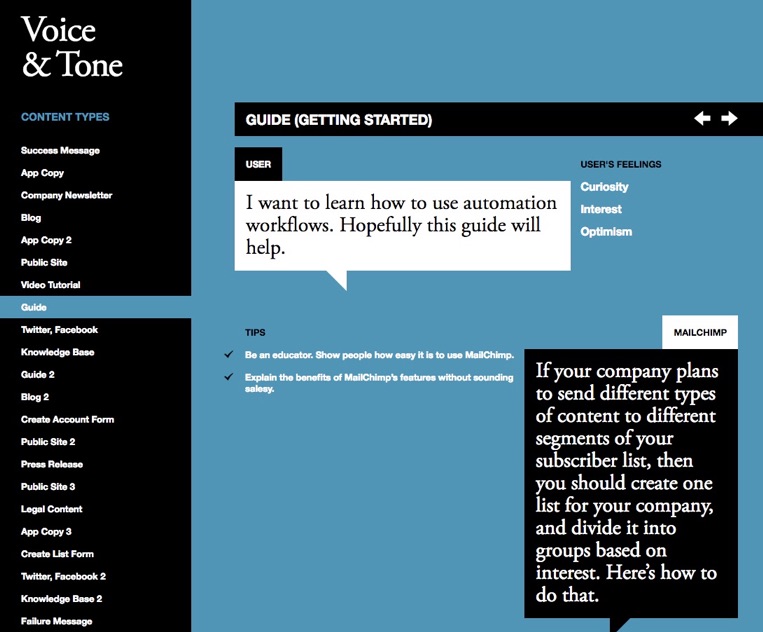
MailChimp created an entire website devoted to helping writers overcome that challenge.


mailchimp-voice-tone


Even a simple outline of the categories, messaging examples and specific personas each should target is a huge head start over what most people have.


category-messaging-primary-persona


The great news is that you don't have to reinvent the wheel either. You just need to cobble together and amplify based on your preferences.


Start with Unbounce's step-by-step campaign guide.


Download Headline Hacks and use their ready-made headline templates to create a spreadsheet for writers so they don't have to reinvent the wheel each time.


headline-hacks


'Franchising' as E-Myth refers to it allows you to document how you want things to look, and employ more, (relatively) inexpensive labor to scale your productivity and results. When done correctly, you can even have people tackle technical subjects even with a complete lack of experience.


For example:


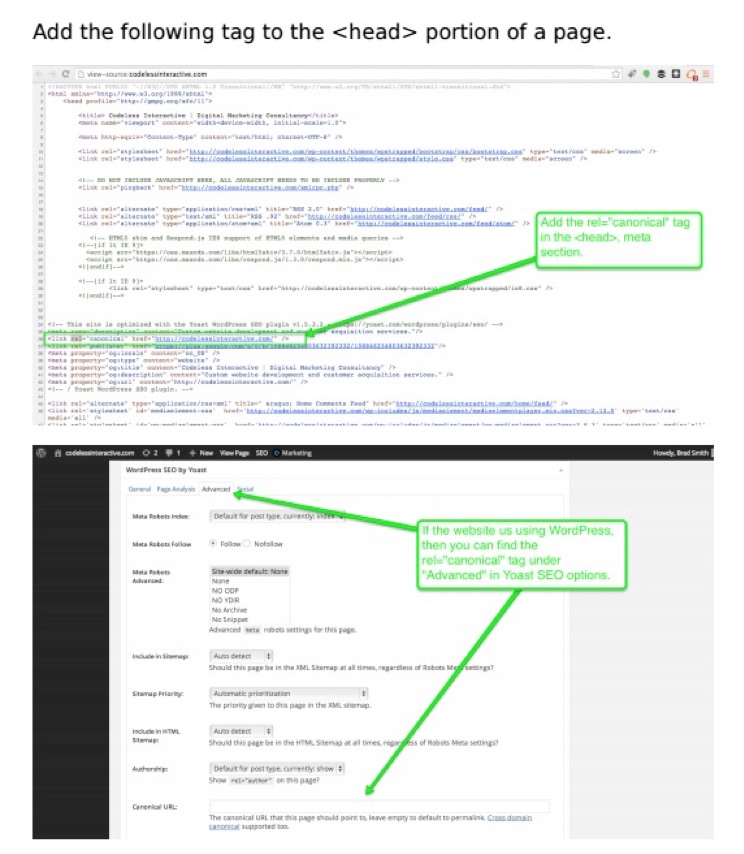
Canonicalization typically refers to duplicate content issues, which can impact SEO by splitting authority across several different domains (instead of consolidating it into a single URL to maximize that page's potential value).


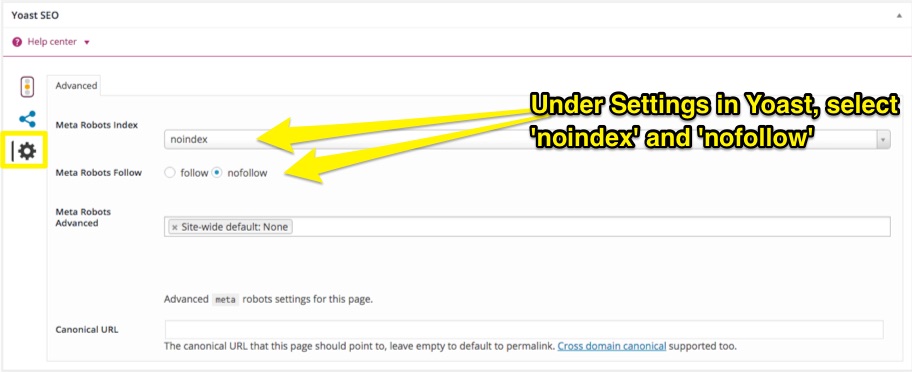
Simply reading that last sentence probably made your brain hurt. Besides being a mind-numbingly boring topic, fixing canonicalization errors can get slightly technical if you have to edit HTML directly.


canonical-tag-wordpress


yoast-no-index-nofollow


Processing these potential scenarios gives ambitious, diligent people – despite a lack of skill or experience – the ability to help 'punch above their weight class'. Mindfully adding these people can help you scale results significantly faster.


Conclusion


Marketing output has never been higher.


There's never been more people, publishing, creating, producing and distributing more things.


It's evolving at a breakneck pace; one that's becoming increasingly unsustainable for most who're already overwhelmed and stretched thin.


One counter intuitive solution to do less, but do it better.


Start by focusing on making sure that you're doing the right things, and not just ticking boxes off your to-do list.


Once you're going down the right path, use automation to help increase the yield or results you'll see from your efforts.


And when ready, then (and only then) add additional labor on top of an already defined process to scale productivity.


About the Author: Brad Smith is a founding partner at Codeless Interactive, a digital agency specializing in creating personalized customer experiences. Brad's blog also features more marketing thoughts, opinions and the occasional insight.